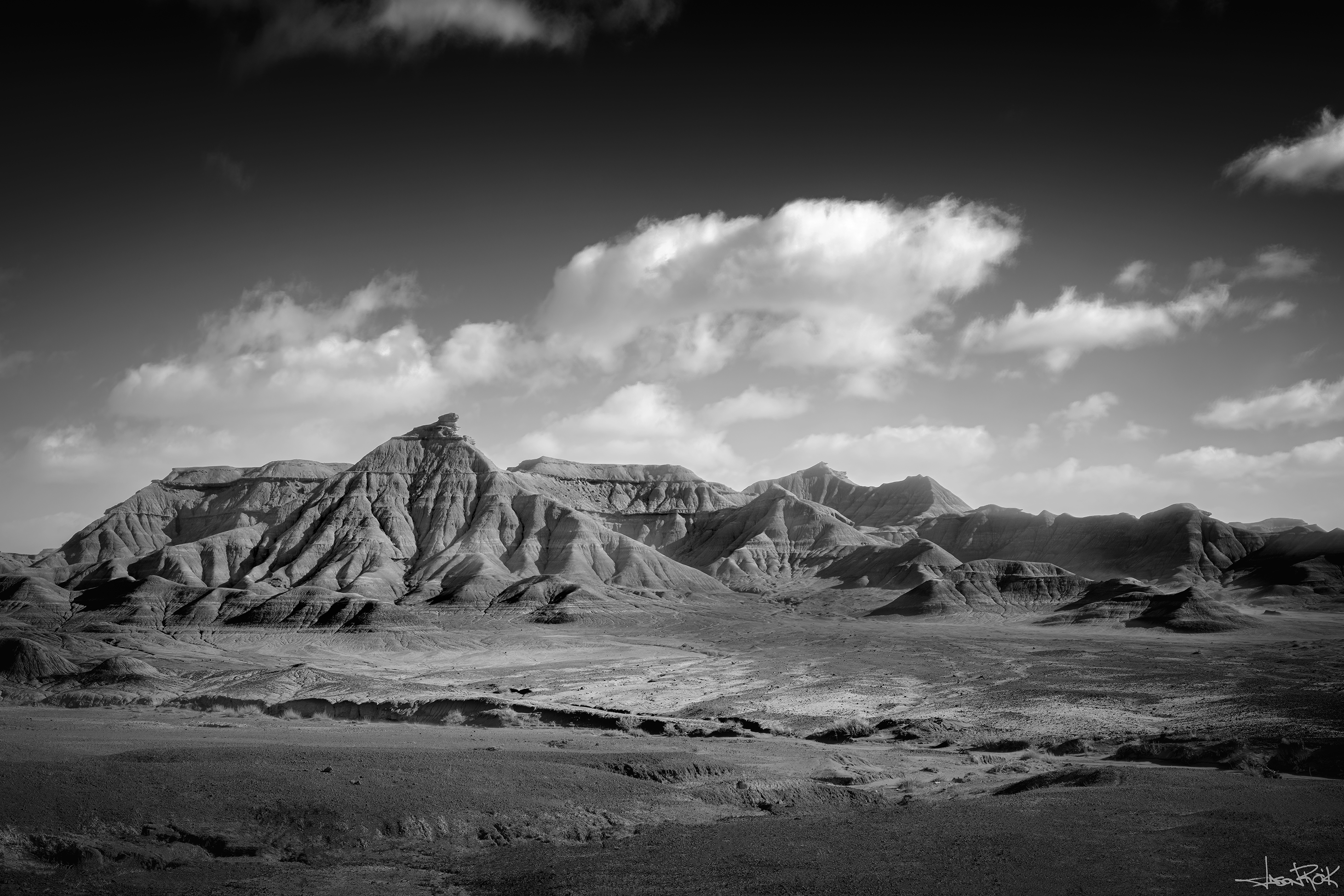
The Spanish dream, by gilded hope defined,
Sought golden spires in Arizona's heat,
They came for wealth, with avarice in mind,
And drove their quest where painted canyons meet.
They crossed the sands where wind had swept the track,
Through barren flats where nothing soft could grow,
And found no stone with shining metal's back,
No river banked with gold's steady glow.
They saw no gold, no jewels, no hidden seam,
But colors deep in clay and petrified wood,
The land itself, a geological dream,
A truth more stark than they had understood.
The treasure lay in ochre, gray, and red,
El Desierto Pintado —- thus they fled.
Historical Footnote
The European history of the Painted Desert began not with a map, but with a myth. In 1539, a Franciscan friar named Marcos de Niza returned to Mexico City with a sensational claim: he had seen Cíbola, a city of gold larger than Mexico City itself.
He was likely seeing the Zuni pueblo of Hawikuh at sunset, where the red adobe might have caught a golden sheen. This report ignited a frenzy in New Spain, leading to one of the most expensive and ambitious expeditions in history.